There is no easy walk to freedom anywhere, and many of us will have to pass through the valley of the shadow of death again and again before we reach the mountaintop of our desires

Showing posts with label Health. Show all posts

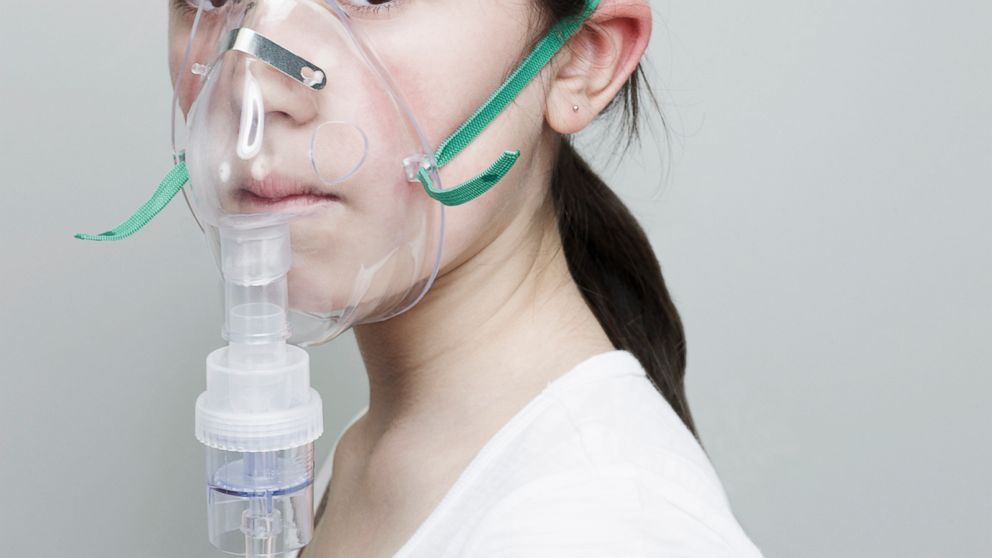
Unidentified Respiratory Virus Likely to Hit Kids Across Country


Unidentified Respiratory Virus Likely to Hit Kids Across Country - A respiratory illness that has already sickened more than a thousand children in 10 states is likely to become a nationwide problem, doctors say. 

The disease hasn't been officially identified but officials suspect a rare respiratory virus called human enterovirus 68. According to the U.S. Centers for Disease Control and Prevention_" target="_blank">Centers for Disease Control and Prevention, the virus is related to the rhinovirus, which causes the common cold. 

According to Mark Pallansch, director of the Division of Viral Diseases at the CDC, similar cases to the ones in Colorado have been cropping up across the U.S. At least 10 states -- Missouri, Kansas, Illinois, Kentucky, Iowa, Colorado, Ohio, Oklahoma, North Carolina, and Georgia -- have reported suspected outbreaks of human enterovirus 68 and requested CDC support. 
Potentially Deadly Mystery Virus 

"Viruses don't tend to respect borders," ABC News Chief Health and Medical Editor Dr. Richard Besser said. "It is only 10 states now, but it's going to be across the country. So if your state doesn't have it now, watch for it, it's coming." 

Doctors say they are not even sure yet how this particular virus spreads, though the back-to-school season is a normal time for illnesses to spread among children. 

"This is a very common time for outbreaks. Kids come back to school, they like to share things, they bring them home to their little brothers and sisters, and enteroviruses tend to occur in the summer," Besser said. "But this one, this particular Enterovirus 68, is very rare and they have no idea why it showed up this year." 

At Children's Hospital Colorado in Denver, officials say that between Aug. 18 and Sept. 4, doctors saw more than 900 pediatric patients with symptoms of the respiratory virus in the emergency room. Of those who came in, 86 were admitted into the hospital and a handful ended up in the intensive care unit. 

"It can start just like a cold -- runny nose, sneezing, coughs -- but it's the wheezing you have to watch out for," Besser said. 

Dr. Christine Nyquist, a pediatrician at Children's Hospital Colorado, said the virus usually ends up appearing similar to a severe cold but can be particularly dangerous for children with asthma because of how it affects the respiratory system. 

"The kids are coming in with respiratory symptoms, their asthma is exacerbated," Nyquist said. "Kids with no wheezing are having wheezing." 

At Rocky Mountain Hospital for Children, Dr. Raju Meyappan, a pediatric critical care physician, said he's seen at multiple children end up in the pediatric intensive care unit after being infected with the virus and that children under the age of 5 or those with asthma appear to be most at risk. 

In one particularly severe case, Meyappan said a 13-year-old asthmatic patient ended up in the emergency room just one day after showing basic cold-like symptoms, including cough and runny nose. 

His asthma became so severe on the second day the teenager turned blue and was rushed to the emergency room, where doctors gave him an emergency breathing tube. 

The patient was one of multiple asthmatic pediatric patients who ended up sedated in the intensive care unit with a breathing tube, Meyappan said. Patients who needed breathing tubes spent between four to seven days sedated and intubated as they recovered, he said. 

"As a pediatric ICU doctor, we try our best not to intubate kids with asthma at any point in time," said Meyappan, who added that only the most severe cases warranted intubation. "They all needed it. The onset [of the virus] is severe." 

Meyappan said currently four patients were in the pediatric ICU recovering. 

There are multiple reasons why the outbreak was hitting Denver now, instead of later in the fall or winter when flu.htm" id="ramplink_cold and flu_" target="_blank">cold and flu infections start to rise, Nyquist said. 

In addition to school starting, Nyquist said, some children with asthma could have seasonal allergies that are exacerbated by the virus. 

"Any kind of viral infection can kick off wheezing and asthmas," she said. "People with asthma know what triggers their asthma. A viral infection is one thing and this is the one that is circulating." 

To stay healthy, the CDC recommends basic sanitary practices to avoid spreading the virus, including washing hands, avoiding those who are sick, and covering the nose and mouth during sneezes or coughs. 

Meyappan said parents of asthmatic children should make sure that their children's inhalers are easily accessible and that there is a treatment plan in place if an asthma attack continues to get worse. 

"Make sure [parents] talk to all their caregivers about what to do if [the child has] an asthma attack and where to go if they need help," Meyappan said. "I think having a game plan in place helps." ( Good Morning America )

READ MORE - Unidentified Respiratory Virus Likely to Hit Kids Across Country

Need surgery? Good luck getting hospital cost info


Need surgery? Good luck getting hospital cost info - Good luck getting hospital cost info; study finds answers often elusive and costs vary widely - Want to know how much a hip replacement will cost? Many hospitals won't be able to tell you, at least not right away — if at all. And if you shop around and find centers that can quote a price, the amounts could vary astronomically, a study found. 

Routine hip replacement surgery on a healthy patient without insurance may cost as little as $11,000 — or up to nearly $126,000. 

 
Sean Toohey, a grains broker at the Chicago Board of Trade, who had hip replacement surgery last summer ,walks home from work Monday, Feb. 11, 2013, in Chicago. Routine hip replacement surgery on a healthy patient may cost as little as $11,000 _ or up to nearly $126,000. Toohey said he has good health insurance that covered most of the costs, and it didn't occur to him to ask about price beforehand. (AP Photo/M. Spencer Green)

That's what researchers found after calling hospitals in every state, 122 in all, asking what a healthy 62-year-old woman would have to pay to get an artificial hip. Hospitals were told the made-up patient was the caller's grandmother, had no insurance but could afford to pay out of pocket — that's why knowing the cost information ahead of time was so important. 

About 15 percent of hospitals did not provide any price estimate, even after a researcher called back as many as five times. 

The researchers were able to obtain a complete price estimate including physician fees from close to half the hospitals. But in most cases, that took contacting the hospital and doctor separately. 

"Our calls to hospitals were often greeted by uncertainty and confusion," the researchers wrote. "We were frequently transferred between departments, asked to leave messages that were rarely returned, and told that prices could not be estimated without an office visit." 

Many hospitals "are just completely unprepared" for cost questions, said Jaime Rosenthal, a Washington University student who co-authored the report. 

Most hospitals aren't intentionally hiding costs, they're just not used to patients asking. That's particularly true for patients with health insurance who "don't bother to ask because they know insurance will cover it," said co-author Dr. Peter Cram, a researcher at the University of Iowa's medical school. 

But he said that's likely to change as employers increasingly force workers to share more health care costs by paying higher co-payments and deductibles, making patients more motivated to ask about costs. 

The study was published online Monday in JAMA Internal Medicine. A California study published last year about surgery to remove an appendix found similar cost disparities. 

Commenting on the study, American Hospital Association spokeswoman Marie Watteau said hospitals "have a uniform set of charges. Sharing meaningful information, however, is challenging because hospital care is unique and based on each individual patient's needs." 

She said states and local hospital associations are the best source for pricing data, and that many states already require or encourage hospitals to report pricing information and make that data available to the public. 

U.S. insurance companies typically negotiate to pay less than the billing price. Insured patients' health plans determine what they pay, while uninsured patients may end up paying the full amount. 

The study authors noted that Medicare and other large insurers frequently pay between $10,000 and $25,000 for hip replacement surgery. 

Sean Toohey, a grains broker at the Chicago Board of Trade, had hip replacement surgery last summer at Loyola University Medical Center in Maywood, Ill. An old sports injury had worn out his left hip, causing "horrendous" pain on the job, where he's on his feet all day filling orders. 

Toohey, 54, said his health insurance covered most of the costs, and it didn't occur to him to ask about price beforehand. He was back at work two weeks later and is pain free. That's what matters most to him. 

"I never really looked or paid attention" to the cost, he said. 

He paid about $7,900, but wasn't sure what the total bill amounted to. 

The average charge for hip replacement surgery at Loyola is about $42,000, before the negotiated insurance rates. The most expensive items on a typical hip replacement bill include about $11,000 for the hip implant, said Richard Kudia, Loyola's vice president of patient financial services 

Kudia said some patients do ask in advance about costs of surgery and other medical procedures, and those questions require "a little bit of research" to come up with an average estimate. Costs vary from center to center because "there is no standard pricing among hospitals across the country. Each hospital develops its own pricing depending on its market," he said. 

An editorial accompanying the hip replacement study said "there is no justification" for the huge cost variation the researchers found. 

A few online sites provide price comparisons for common medical procedures, but the editorial said that kind of information "is of almost no value" without information on hospital quality. 

A proposed federal measure that would have required states to force hospitals to make their charges public failed to advance in Congress last year but could be revived this year, the editorial says. 

"It is time we stopped forcing people to buy health care services blindfolded," the editorial said. ( Associated Press )

READ MORE - Need surgery? Good luck getting hospital cost info

Costs of hip replacement hard to find, vary widely


Costs of hip replacement hard to find, vary widely - Many hospitals are hard-pressed to tell people needing a hip replacement how much their procedure is likely to cost, according to a new study.

Even when they can cite prices, going rates for the procedure may vary from hospital to hospital by a factor of 10, researchers found.

"It was very frustrating," said Jaime Rosenthal, a student at Washington University in St. Louis, Missouri, who led the new research.

"You got transferred to all these different people. You had to leave messages, call back."

According to the U.S. Centers for Disease Control and Prevention, about 327,000 Americans had a hip replaced in 2009.

The surgery is especially common among the elderly, who are covered by Medicare. Still, about half of all hip replacements in the U.S. are done on people younger than 65 - some of whom may not have private insurance.

For the new study, Rosenthal called 122 hospitals: two per state and two in Washington, D.C., plus the top 20 orthopedic hospitals listed in the US News and World Report rankings. During each call, she pretended to have a 62-year-old grandmother who needed a hip replaced but didn't have insurance, and asked for the total price of the procedure.

Just 45 percent of the top 20 hospitals and 10 percent of other hospitals could provide a complete cost for the hospital and doctor fees for a hip replacement, after up to five phone calls.

When Rosenthal called both the hospital and affiliated doctors separately, she did a little better. In those cases, her team was able to put together the prices of procedures at 60 percent of top hospitals and 63 percent of others.

Those totals ranged anywhere from $11,100 to $125,798, Rosenthal and her colleagues from the University of Iowa reported Monday in JAMA Internal Medicine.

She said some hospitals gave her reasons for a higher price - such as assigning her grandmother to a private room - but for others, it wasn't clear what went into the cost of care.

"It just points to the fact that most of us in the health system don't have any idea what the costs really are," said medical ethicist Dr. Ezekiel Emanuel from the Perelman School of Medicine at the University of Pennsylvania in Philadelphia, who co-wrote a commentary published with the new study.

Often, only the hospital's billing office knows how much a patient is actually charged for a procedure such as a hip replacement, researchers noted.

Some of the variation in costs has to do with how hospitals factor in overhead to each patient's bill, Emanuel told Reuters Health. And the cost of an actual hip prosthesis can vary four- or five-fold across the country, he added.

Jeanne Pinder, founder of the transparency group ClearHealthCosts, said a ten-fold difference in price for any given test or procedure isn't unusual, even within a single geographic area.

"Nobody has any idea what they will pay in healthcare because the marketplace is completely opaque," Pinder, who wasn't involved in the new study, told Reuters Health.

"When you go into the system, you're usually not there because you want to be. You're usually anxious, upset, and there's a question of when you come out on the back end, whether you'll be bankrupt or not."

That's not only a concern for uninsured people, she noted, given how high co-pays or deductibles may be for those who are covered.

For a patient looking for cost information, there aren't a lot of options right now - other than waiting for more transparency to come through legislation or other means, researchers said.

"I don't know that the information is readily available right now," Emanuel said. "You can try to call around, especially if it's elective."

Rosenthal told Reuters Health the findings do show that people willing to make lots of calls might have success shopping around for the best deal. But hospitals don't make it easy.

"Patients can take responsibility and put pressure on hospitals to make this information available," she said.

Pinder agreed. "I always recommend that people ask," she said. "If you put this information into people's hands… you can start to think like a consumer." (Reuters Health)

READ MORE - Costs of hip replacement hard to find, vary widely

Could acupuncture help relieve seasonal allergies?


Could acupuncture help relieve seasonal allergies? - Acupuncture may help improve seasonal allergy symptoms in some people with runny noses and watery eyes, according to a new study - but the effect seems to be small.

Researchers found 71 percent of people reported an improvement in their allergies after eight weeks of acupuncture. But so did 56 percent of allergy sufferers who were treated with sham acupuncture instead as a comparison.

"It works, but there are a couple of caveats (for) people who might think of using it," said Dr. Harold Nelson, who treats allergies at National Jewish Health in Denver, Colorado.

For example, "This is pretty invasive, particularly when you compare it to something like spraying a nasal steroid in your nose once a morning," he told Reuters Health. It's also more time consuming, and requires finding a qualified, licensed acupuncturist, he noted.

"I wouldn't personally go that route," he said.

Previous studies have conflicted on whether acupuncture may help relieve runny noses and other seasonal allergy symptoms, researchers wrote Monday in the Annals of Internal Medicine.

Led by Dr. Benno Brinkhaus from Charite-University Medical Center in Berlin, Germany, they randomly assigned 422 people with seasonal allergies to receive real or sham acupuncture or to only take antihistamines as needed.

After eight weeks and 12 treatment sessions, average allergy symptom scores dropped among people in the acupuncture group from 2.7 to 1.7 points on a 0-to-6 scale, where lower scores indicate fewer symptoms.

Among patients treated with sham acupuncture, symptom scores improved from 2.3 to 1.8 points, and from 2.5 to 2.2 in the medication-only group.

However, by another eight weeks after treatment ended, there was no longer any difference in the degree of symptom improvement between groups.

People with allergies would likely notice about a half-point change on the symptom scale in their daily lives, the researchers said - the difference between the real and sham acupuncture groups after eight weeks in the current study.

Acupuncture is generally considered safe, they noted. A typical session runs for about $100 and is often not covered by health insurance.

Researchers aren't sure why it might help people with seasonal allergies, other than its possible beneficial effect on the immune system.

Nelson, who wasn't involved in the new study, said antihistamines might not have been the best drug comparison for acupuncture - since daily use of nasal steroids is better at preventing symptoms.

For people with allergies, "I would suggest they use conventional medication on a daily basis, and I certainly prefer nasal steroids over antihistamines," he said.

But medication doesn't work perfectly for everyone, the researchers pointed out.

"We mostly saw patients in our outpatient practice who have had this disease for years," Brinkhaus told Reuters Health. "They are not very happy taking the medications every day, and some of them suffer from side effects of medications."

For those people, acupuncture could be a good add-on option, said Brinkhaus, an acupuncturist and internal medicine doctor.

"It's not an alternative. We use it firstly as some sort of complementary medicine. If the acupuncture has good results, we can reduce the anti-allergic medication," he said.

Dr. Li-Xing Man, who treats sinus and nasal diseases at the University of Rochester Medical Center, New York, said it can be challenging to find an experienced acupuncture practitioner in some parts of the U.S. And based on this study, "it's hard to know whether it's actually helpful."

Still, he told Reuters Health, there doesn't seem to be much harm in giving acupuncture a try.

"It may even be that acupuncture makes you feel better in general, and that's reflected in these questionnaires," said Man, who wasn't part of the research team. "If you find a good practitioner of acupuncture and you can afford it, then go for it." (Reuters Health)

READ MORE - Could acupuncture help relieve seasonal allergies?

Intense acupuncture may improve Bell's palsy


Intense acupuncture may improve Bell's palsy - Patients with facial paralysis saw greater improvements in function after a more intensive form of acupuncture in a new study from China that compared the treatment to standard acupuncture.

Researchers found that wiggling the acupuncture needles to produce a sensation called "de qi" led to a patient's having a better chance of recovering full facial function in six months than if the needles were just inserted and left alone.

De qi "should be considered to be included in clinical guidelines for acupuncture treatment," said Dr. Wei Wang at Key Laboratory of Neurological Diseases of Chinese Ministry of Education in Wuhan, Hubei.

The study did not measure how well people would have recovered without receiving acupuncture, so it's impossible to say whether the therapy worked any better than conventional, Western approaches or no therapy at all.

De qi is combination of feelings - including achiness, coolness, warmth, and tingling - which is considered by traditional Chinese medicine to ensure the best therapeutic benefit, said Wang, one of the authors of the study.

But "this long held belief has never been confirmed," he told Reuters Health.

To see whether de qi makes a difference to the effectiveness of acupuncture therapy, he and his colleagues asked 317 adults with Bell's palsy to undergo five half-hour acupuncture treatments for four weeks.

Bell's is usually a temporary facial paralysis that typically affects one side and lasts a few months.

It often results from a viral infection that inflames facial nerves, and the steroid prednisone is a common treatment. Over the counter analgesics, vitamins and physical therapy are also sometimes used to treat the condition.

About 40,000 Americans get Bell's palsy each year, according to the National Institute of Neurological Disorders and Stroke.

Wang said his group focused on this condition because recovery of the facial nerves affected by Bell's does not seem to be as susceptible to the placebo effect as other nerve conditions, such as pain.

Half of the participants were randomly assigned to receive treatments that would elicit de qi, in which the acupuncturist twisted the needles and moved them up and down several times during the session.

The other participants had the needles inserted and left alone.

All of the patients also received prednisone.

Neurologists, who didn't know which treatment each participant had received, determined the patients' facial function score on a scale of 200, with higher numbers corresponding to better movement.

In both groups, patients had started with facial function scores around 130 to 135. After six months of treatment, participants in the de qi group had somewhat greater facial function, such as in raising the eyebrows, blinking and baring teeth.

The de qi group scored an average of 195, while the other acupuncture group scored 186.

Wang said it's difficult to interpret just what these numbers mean in terms of muscle performance - say, whether a person can smile fully or not - but that a difference of nine points would be noticeable to the patients.

In addition, the team found that 94 percent of participants who received de qi acupuncture completely recovered their facial function by the end of six months, while 77 percent did in the other acupuncture group.

It's not clear how acupuncture - and de qi in particular - might improve the recovery from Bell's palsy.

Dr. Jian Kong, an assistant professor at Harvard Medical School and Massachusetts General Hospital, said one explanation could be that needles in the face increase blood flow to the area "so we can provide more nutrition to the nerves and help the inflammation to diminish quickly so people can recover."

Kong, who was not part of this study, agreed with the researchers that de qi is important to consider in acupuncture research, and that it is often overlooked.

One reason it's not always included in studies is that "there are many schools of acupuncture," with some placing greater emphasis on de qi than others, Kong told Reuters Health.

De qi is also complex, subjective and difficult to quantify. He said some people even consider the sensations of the acupuncturist to be more important in eliciting de qi than the sensations of the patient.

"Most clinical trials don't measure de qi sensation so we don't know how this sensation is associated with clinical outcomes," Kong said.

Wang said that this lack of standardization in acupuncture research might be why studies have yielded a mixed bag of results - sometimes showing a benefit and other times not.

"The effect of acupuncture may be seriously compromised" by not stimulating de qi, he said.

Kong said he and others have been developing standard de qi scales to offer some uniformity across studies.

"Hopefully we can figure out how this sensation is connected with the clinical outcome," Kong said. (Reuters Health)

READ MORE - Intense acupuncture may improve Bell's palsy

Olive oil’s health benefits? It’s a slippery question


Olive oil’s health benefits? It’s a slippery question — You feel good about using olive oil, right? You know it’s good for you, tasty and easy to use. Still, to get the most benefits — and the best bang for your buck – there’s more you should know.
 
 “The health benefits of olive oil are 99 percent related to the presence of the phenolic compounds, not the oil itself,” says Nasir Malik, research plant physiologist at the U.S. Agriculture Department’s


Malik is referring to the polyphenols in olive oil, nutrients also found in wine, tea, cocoa and many fruits and vegetables that have been discovered over the past decade to be the substances responsible for the bulk of olive oil’s health benefits, without which “you might as well use canola oil,” Malik says.
 
And when tested, polyphenols were surprisingly low in most commercially available olive oils, according to a recently published study conducted by the Agricultural Research Service, co-authored by Malik.
 
They also don’t live up to international or U.S. Agriculture Department quality standards, according to studies conducted by the University of California at Davis Olive Center.
The good stuff
 
Polyphenols decrease heart disease risk factors by lowering blood pressure and cholesterol, reducing blood clotting and improving the health of artery linings.

Researchers have discovered genes that, when activated, either increase or reduce your chances for metabolic syndrome, the name for a group of risk factors that together increase the risk for heart disease, America’s No. 1 killer. Fresh, high-polyphenol olive oil affects these genes in a positive way, reducing your risk for heart disease. But low-polyphenol olive oil does not have the same effects, according to a recent study.
 
Polyphenols also reduce cancer risk by lowering inflammation and cellular proliferation. They act as antioxidants, reducing oxidation and cell damage, which leads to many degenerative diseases. They even reduce microbial activity and infections.
 
These benefits explain, in part, why the Mediterranean diet, high in olive oil, has been linked with superior health. But there is an advantage even the poorest of the poor in Mediterranean countries have enjoyed since at least 4,000 B.C.: freshly harvested olive oil. That’s because olives were growing on trees in their own back yards; it was plentiful and cheap. But its freshness had been taken for granted.
 
Waning quality
Studies show that as days, weeks and months go by after harvest, the polyphenol content and health benefits of the oil diminish.
 
“Think of olive oil as olive juice with a maximum two-year shelf life,” says Selina Wang, research director at the U.C.-Davis Olive Center.
 
 Several factors are responsible for the polyphenol content of olive oil, according to the experts:
  • Harvesting method: Rougher treatment and exposure to the elements reduces phenols.
  • The age of the trees: Older trees contain significantly more.
  • Olive maturation: Green olives contain more polyphenols than ripe olives, though it’s easier to extract more oil from riper olives. 
  • Processing: The less processing the better. “Extra virgin” olive oil, which is cold-pressed only once, has the highest polyphenol levels. Two presses (“virgin” olive oil), reduces polyphenol content further, and oil with three extractions contains only about half the value of “virgin” olive oil. Highly refined or “light” olive oils, which use heat or chemicals in the refining process, have significantly lower polyphenol levels.
  • Storage: Any exposure of the harvested olives or the oil to heat, light or air will reduce polyphenol content. (If you’re using extreme heat in cooking, you’ll most likely lose the polyphenols anyway, so you might as well use canola oil, which contains more heart-healthy omega-3 fatty acids.)
Marcia Horting and her husband, Marc Marzullo, who visit Italy regularly, are on a constant quest for great olive oil. “We look for oils produced by single vineyards, co-ops in small towns like Volpaia, or high-quality Tuscan producers that are grassy and spicy,” says Horting, a consultant in Gaithersburg. She has noticed that in the bigger stores in Paris and Rome serving tourists, “older olive oils are sold at the same prices as the more recent harvest.”

Luckily, you no longer have to travel to Italy for high-quality extra virgin olive oil, as they are now being produced in the United States. They’re more likely to be fresh — and with a price you can afford. California is the leader of the olive oil-producing states, but Texas, Oregon, Arizona and Georgia are producing a small amount.

It’s tricky knowing the olive oil you’re buying is high-quality, fresh extra virgin olive oil. In most U.S. stores, I have found olive oil with harvest dates on perhaps one out of 20 bottles. Some have “sell-by” dates, which are usually two years after harvest, though there are no standards for a sell-by date, so there is no guarantee how old your olive oil is unless there is a harvest date. Look for a harvest date within the past year.

Even if it has a harvest date, you still won’t know whether it has been harvested and handled to maximize polyphenol content. 

The way I handle this is by going to a specialty Italian shop or somewhere that I know sells California or Texas olive oil, making sure the container is opaque and has a harvest date, keeping it in a cool, dark cabinet at home, and using it up quickly. I save expensive olive oil for drizzling on salads and use canola oil for cooking, especially with high heat.

The more consumers demand harvest dates and proper handling, the more these products will become available.

What to look for

Advice from Dan Flynn, executive director of the UC-Davis Olive Center:
  • Look for a harvest date on the label. Freshness is important for quality and nutrition. Some retailers are becoming more savvy about this.
  • Color is not an indicator of freshness. Some people think a strong green tint means better quality, but some olive varieties are just greener than others. Some high-quality olive oils are a golden color.
  • Buy olive oil in a container that protects the oil from light. That could be dark glass or a tin.
  • People need to taste truly fresh oil. I believe most people are used to an oil that is not fresh, and that’s what they think it should taste like. There’s a high-quality product available at the same price. Extra virgin olive oil has a special flavor and freshness. Once people taste fresh extra virgin olive oil, they’ll want to continue choosing it.
  • Olive oil should smell fruity and taste like olives. Some describe high-quality olive oil as “grassy” or “peppery.”
  • For maximum nutrition, quality and flavor, ideally, the olive oil you buy should not be more than one year old. It should say “extra virgin.” It should be harvested carefully, processed quickly and minimally, stored in a cool dark environment, and opened and used without too much exposure to air. ( washingtonpost.com )
Blog : Shadow Of Death | Olive oil’s health benefits? It’s a slippery question

READ MORE - Olive oil’s health benefits? It’s a slippery question

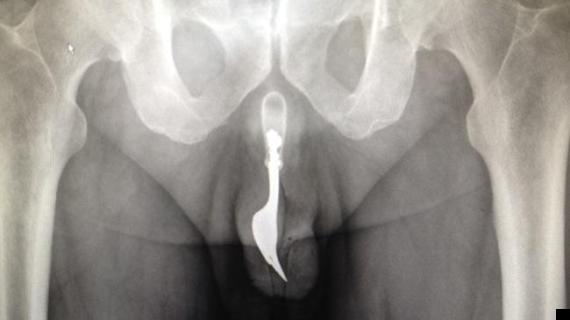
Man, 70, Has Dining Implement Removed From Urethra (PICTURE)


Fork In Penis X-Ray: Man, 70, Has Dining Implement Removed From Urethra (PICTURE) - A 70-year-old Australian man has had a 10cm fork safely removed from his penis.
The utensil had been lodged in his urethra for sexual gratification, the International Journal of Surgery Case Reports revealed.

The report, entitled An Unusual Urethral Foreign Body noted: "The motives for insertion of a variety of objects are difficult to comprehend."

The unnamed man had lodged the fork in his urethra for sexual gratification when it became stuck

The fork was removed by a team at Canberra Hospital using forceps and "copious lubrication" while the patient was under general anaesthetic.

Needles, pencils, wire, allen keys, toothbrushes, lightbulbs, thermometers, plants, vegetables, leeches, snakes, cocaine and glue were some of the other alien objects retrieved from other parts of the body in the report, the Canberra Times revealed.

"It is apparent that the human mind is uninhibited let alone creative," the medical journal added.

This special brand of creativity was very much in evidence in April, when it was revealed a man had been treated in a Chinese hospital after informing doctors he had a live eel stuck up his bottom.

The unmarried man, who arrived alone at a hospital casualty unit in Shunde, Guangdong province, told medics he had been imitating a porn film when he inserted the eel.

"Please, please help me. The eel is moving through my body," he begged.

Blog : Shadow Of Death | Fork In Penis X-Ray: Man, 70, Has Dining Implement Removed From Urethra 

READ MORE - Man, 70, Has Dining Implement Removed From Urethra (PICTURE)

Virtual Exercise Games Help Elderly Remain Mentally Sharp


Virtual Exercise Games Help Elderly Remain Mentally Sharp -Virtual games aren't just for kids any more. Navigating virtual worlds helps grandma and grandpa stay physically and cognitively healthy - Exercise is good for both the brain and body, but the irony is that those who could use its one-two punch aren’t physically able to take advantage of its benefits.

The elderly often aren’t physically able to stay physically active, and exercising outdoors for those who are frail can pose more dangers to their health in the form of falls and injuries. But technology may have come to the rescue, as the latest study shows that virtual exergames that simulate outdoor environments can help the elderly to improve their cognitive abilities.

In a study of 102 elderly adults, researchers found that those who were randomly assigned to ride a cybercycle, in which a stationary bike was equipped with a virtual reality screen that allowed the riders to “bike” through different environments as well as interact with obstacles and other bikers, remained more mentally sharp than those riding a traditional stationary bike. In fact, the cybercylers lowered their risk of declining into mild cognitive impairment, a state in which some of their mental functions decline beyond that of normal aging, but not enough to impair their daily life, by 23% compared to those riding the traditional bikes.


http://timewellness.files.wordpress.com/2012/01/89179090exergamescrop.jpg?w=600&h=400&crop=1


“We’re excited by the finding,” says the study’s lead author, Cay Anderson-Haney, an assistant professor of psychology at Union College. “This doesn’t take away from the fact that exercise in general is helpful, but we just found an added benefit when older adults are doing two things at once.”

By both riding the bike and concentrating on navigating their virtual world, says Anderson-Haney, the participants benefited from engaging both the bodies and their brains. Each group rode the bikes for an average of 45 minutes, three times a week for three months. “We need more research to uncover what is so special about the virtual world, but I have a hunch that when the seniors are following physical actions on the screen, they are processing all the information mentally, and the brain has more chance to take in information not just from the legs but from the eyes, and that probably enhances brain health in interesting ways that we have yet to uncover.”

The most obvious question is whether seniors exercising in the real world might get the same boost in cognitive health, and that’s something that Anderson-Haney is hoping to study further.

What intrigues her is the fact that the cybercycling group showed slight improvements in three types of executive function tasks that measure planning, multi-tasking and decision making, while the traditional cyclists either showed no change or actually declined in their performance on these tests before and after the sessions. Anderson-Haney says it’s not likely that the people riding the normal stationary bikes were not benefiting from exercise, but that all of the participants may have been showing signs of mental decline, and those riding the virtual reality bikes may have been able to slow this mental slippage. The participants were all asked to perform mental tasks such as connecting dots by color, and repeating a recited string of numbers backwards.

The scientists were also encouraged by the fact that those using the virtual reality bikes also seemed to show signs of greater nerve growth, as measured by levels of brain-derived neurotrophic factor, which is linked to nerve development.

The findings suggest that even elderly people who might be physically limited may benefit from some types of exercise that are linked to a virtual world in which they can interact with their environment. Among the study participants, Anderson-Haney says the cybercycles became more popular than the traditional stationary bikes, and that the subjects were motivated by trying to beat ghost riders in their virtual world. “There’s something special about how the mind and body have to work together in a virtual experience,” she says. “We’d like to learn more about what we can do to enhance that cognitive benefit.” ( time.com )

Blog : Shadow Of Death | Virtual Exercise Games Help Elderly Remain Mentally Sharp

READ MORE - Virtual Exercise Games Help Elderly Remain Mentally Sharp

Three hours in the sun a day 'can halve breast cancer risk'


Three hours in the sun a day 'can halve breast cancer risk' - Spending an average of three hours a day exposed to sunlight can slash the risk of breast cancer by up to 50 per cent, according to research.

The research is the latest in a series of studies suggesting regular exposure to the sun’s rays may have a powerful anti-cancer effect by stimulating the production of vitamin D in the skin.

Laboratory tests suggest breast cells are capable of converting vitamin D to a hormone that has anti-cancer properties.

Rays of hope: Regular exposure to the sun can help ward off cancer

Canadian researchers compared 3,101 breast cancer victims with 3,471 healthy women who had not suffered tumours.

Each one was quizzed on how much time they spent outdoors between April and October during four stages of life: their teens, twenties and thirties, forties and fifties and from 60 to 74.

The results, published in the American Journal of Epidemiology, showed that women who had at least 21 hours a week exposure to the sun’s UV rays in their teens were 29 per cent less likely to get cancer than those getting under an hour a day.

For women who spent the most time out side in their forties and fifties, the risk fell by 26 per cent and for those above 60, sunshine halved their chances of a tumour.


Bright idea: Sunbathing has health benefits for men, too


Meanwhile, men who get the recommended amount of vitamin D are less likely to suffer heart attacks or strokes, a study has found.

The U.S. research, which followed nearly 119,000 adults for two decades found men who got at least 600 IU of vitamin D per day were 16 per cent less likely to develop heart problems or stroke than men who got less than 100 IUD. But there was no such pattern among women, the researchers at Harvard School of Public Health found.

Both findings should be balanced in terms of the skin cancer risks of exposure to the sun, experts cautioned. ( dailymail.co.uk )

Blog : Shadow Of Death | Three hours in the sun a day 'can halve breast cancer risk'

READ MORE - Three hours in the sun a day 'can halve breast cancer risk'

Is It Healthier to Skip Washing Your Hair?


Is It Healthier to Skip Washing Your Hair? - The average woman spends about 23 minutes styling/drying her hair, according to one report. So, if, say, half of that time is spent on blow-drying, on top of the 22 minutes she spends in the shower (again, let's say half of that is spent washing and conditioning hair), a daily hair-washer is dedicating more than two and a half hours each week to maintaining her locks. But what if she just ... stopped?

While nearly 40 percent of women shampoo on a daily basis, according to a survey conducted by Women's Health magazine, there seems to be a growing number of women (and men) who are ditching the monotony of daily showers in hopes of getting healthier, prettier hair.

And these people -- part of what has been dubbed the "no 'poo movement" -- are gaining momentum, sometimes even going weeks without washing. Jessica Simpson is doing it. So is Robert Pattinson. In a recent article for W magazine, writer Christa Souza chronicled her journey of going a whopping six weeks without washing her hair (check out her journey, dubbed "The Great Unwashed," here). And designer brand Proenza Schouler's CEO Shriley Cook recently told Into The Gloss that she stopped washing her hair six weeks ago.


http://i.huffpost.com/gen/278425/thumbs/r-HAIR-WASHING-large570.jpg


There have long been groups of people in the United States, of course, whose hair type doesn't require daily washing. African American women, for instance, will often report only needing to wash their hair once every one to two weeks, says Amy McMichael, M.D., a dermatologist at Wake Forest University School of Medicine in Winston-Salem, North Carolina. She also says women of Hispanic descent tend to wash their hair less often, as it's typically on the thicker side. People with oilier, thinner hair are usually the ones who become frequent washers.

But while there's an obvious timesaving benefit to skipping the daily wash, is it healthier for your hair and scalp?

"By no means do I think it's a necessity of health to wash your hair ever day," McMichael says, explaining that the habit has developed more out of our hygiene culture of "good smells" than of any real necessity. Yet that doesn't necessarily mean the opposite is true. "I don't know that there's any scientific basis that washing the hair less is more healthy either."

The scalp and the hair are two different entities -- the scalp is the "living part," which needs to be cleansed of oils to stay healthy, while the hair is the "dead part" that can become dried out after washing with a too-harsh shampoo.

The argument is that lathering up on a daily basis strips the hair of important, healthy oils that can cause it to break off over time. And while those detergent aspects of shampoo may be good for your scalp, they can take a toll on your hair, says Louise O'Connor, owner of 0C61 salon in New York City. She recommends skipping a day between shampoos and, if needed, just rinsing it and putting a little conditioner through the hair to keep it healthy. When you do wash, she says to be careful to only cleanse the scalp and hairline instead of lathering up the whole way down to your ends, which can be very abrasive to the hair.

For oily-haired girls who want to give no-shampoo a try, O'Connor suggests using dry shampoo on off days soak up the grease and give the hair some texture. Apply it to the roots and work it through, she says, and then go over the whole thing with a hairdryer.

But for those who want to take "no poo" beyond a few days, though, proceed with caution when it comes to the health of your scalp. People with dandruff, for instance, will find that not washing hair just makes the problem worse, says George Costarellis, M.D. a dermatologist and director of the University of Pennsylvania Hair and Scalp Clinic.

And skipping the lather may also stunt hair growth. "If you take it to the extreme and you don't wash your hair for a week or so, the dead hairs will accumulate in the scalp," Costarellis says. Getting that dead hair out can stimulate new hair to grow in, and he says he's also seen patients who have gone so long without cleansing that the hair has become matted to a point where it needs to be cut out. ( huffingtonpost.com )

Blog : Shadow Of Death | Is It Healthier to Skip Washing Your Hair?

READ MORE - Is It Healthier to Skip Washing Your Hair?

Man in coma conscious for decades


Man in coma conscious for decades - 'I screamed but there was nothing to hear,' Belgian patient says - A man who emerged from what doctors thought was a vegetative state says he was fully conscious for 23 years but could not respond because he was paralyzed, his mother said Monday.

Rom Houben, 46, had a car crash in 1983 and doctors thought he had sunk into a coma. His family continued to believe their son was conscious and sought further medical advice.

Professor Steven Laureys of Belgium's Coma Science Group realized that the diagnosis was wrong and taught Houben how to communicate through a special keyboard, said Dr. Audrey Vanhaudenhuyse, who is on Laureys' team.


http://www.cbc.ca/gfx/images/news/topstories/2008/09/18/tp-ScanOfBrain.jpg
Patients in a vegetative state can't think, reason, respond, do anything on purpose, chew or swallow.
(CBC)


Rom used the device to tell a reporter for the German magazine Der Spiegel that: "I screamed but there was nothing to hear."

Belgian doctors who treated him early on said that Rom had gone from a coma into a vegetative condition.

Coma is a state of unconsciousness in which the eyes are closed and the patient can't be roused, as if simply asleep.

Vegetative state is a condition in which the eyes are open and can move, and the patient has periods of sleep and periods of wakefulness, but remains unconscious and unaware of him or herself or others. The patient can't think, reason, respond, do anything on purpose, chew or swallow.

But Rom's parents would not accept that he was comatose or vegetative.
Indicating yes or no

His mother, Fina Houben, said in a telephone interview that they took him five times to the United States for tests.

More searching finally got her in touch with Laureys, who put Houben through a PET scan that indicated he was conscious. The family and doctors then began trying to establish communication.

An advance came when he was able to indicate yes or no by slightly moving his foot to push a computer device placed there by Laureys' team. Then came the spelling of words using his finger and a touch-screen attached to his wheelchair.

"You have to imagine yourself lying in bed wanting to speak and move but unable to do so — while in your head you are OK," Vanhaudenhuyse said. "It was extremely difficult for him and he showed a lot of anger, which is normal since he was very frustrated," she said.

The case came to light after Laureys published a study in the journal BMC Neurology this year showing that about four out of 10 patients with consciousness disorders are wrongly diagnosed as being a vegetative state. Houben, although not specifically mentioned, was part of the study. ( cbc.ca )


Blog : Shadow Of Death | Man in coma conscious for decades

READ MORE - Man in coma conscious for decades

Diet for Obese Kids


Diet for Obese Kids - According to the Centers for Disease Control and Prevention, the frequency of childhood obesity has continued to increase for decades. The consequences are severe and include a higher risk for heart disease, diabetes, asthma and social and emotional problems. If your child is obese, you need to know what an appropriate diet is, and you should also work with your child's doctor to monitor the situation.

BMI and Obesity

The Centers for Disease Control and Prevention use the body mass index, or BMI, as an indicator of body fatness. You can calculate a child's BMI by dividing weight in pounds by the square of height in inches, and multiplying by 703. Plot your child's BMI on a reference BMI-for-age growth chart to see whether your child is underweight, which is less than the fifth percentile of BMI for age; normal weight, or fifth to 95th percentile; overweight, or 85th to 95th percentile; or obese, which is greater than the 95th percentile.


http://photos.demandstudios.com/getty/article/178/125/86796144_XS.jpg


Goals

Unlike diets for obese adults, diets for obese children should not focus on weight loss unless your physician recommends it. The Centers for Disease Control and Prevention explain that the goal should be to slow down weight gain as your child continues to grow taller. Instead of an overly restrictive diet that may cause deficiencies, you want your child's diet to deliver all of the healthy nutrients, such as protein, vitamins and minerals, that she needs for healthy development.

Calorie Balance

Children become obese by eating more calories than they need for daily living, growth and exercise, and a diet for obese children should provide a more appropriate number of calories. Some ways that you can reduce calories in your children's favorite recipes are to substitute lower fat ingredients for full fat options or to add vegetables. Another key factor in calorie balance is physical activity. According to the Centers for Disease Control and Prevention, you can help your child balance calories by reducing the hours he spends in front of the television or computer and encouraging him to be physically active by walking, dancing or playing sports.

Healthy Foods

Diets for obese children should emphasize healthy foods while limiting high-calorie, low-nutrient junk foods, such as sugary soft drinks, sweets and fried foods. The Centers for Disease Control and Prevention suggest having reduced-fat dairy products and lean protein, such as chicken, fish and beans, instead of higher fat alternatives, such as high fat cheese or fatty meats. Make fruits, vegetables and whole grains part of your regular diet. These foods can not only provide nutrients for your child, but are low in calories to support a better calorie balance.
Advice for Parents

As a parent, you can encourage healthy eating patterns by setting a good example because children tend to follow their parents' actions. In addition, KidsHealth recommends that you do not turn food into an emotional battle by using it as a reward or punishment or by making children clean their plates. Remember to leave room in your child's diet for special treats so that she does not feel isolated if her peers are celebrating a birthday or other special event. Always consult your child's doctor to be sure that you are doing your best for your child. ( livestrong.com )

Blog : Shadow Of Death | Diet for Obese Kids

READ MORE - Diet for Obese Kids

US mom, doctors eye chemicals for rise in child cancers


US mom, doctors eye chemicals for rise in child cancers – A mom whose four-year-old died after losing a battle to a brain tumor called Wednesday for tougher US regulation of chemicals suspected of being behind a rise in childhood cancers.

"There's growing evidence linking toxic chemicals and carcinogens in the environment with childhood cancer," Christine Brouwer told a telephone news conference as she described losing a child to cancer.

"I'll most likely never know what caused my daughter's cancer, but researchers are finding more and more links between the hazardous substances in our homes and workplaces and cancer and other diseases."


http://hello.news352.lu/images/edito_agence/gimg_1357757.jpg
Nurses feed newborn babies from bottles - Nurses feed newborn babies from bottles in 2010. A mom whose four-year-old died after losing a battle to a brain tumor called Wednesday for tougher US regulation of chemicals suspected of being behind a rise in childhood cancers


Brouwer's daughter Mira underwent several operations and endured painful and nauseating treatments to try to beat the cancer she was diagnosed with just before her second birthday, on January 27, 2004.

After several rounds of surgery and months of treatment, Mira's cancer went into remission and she seemed to have won her fight against the ailment.

But it came back on her fourth birthday, killing her weeks later.

Her family questioned why the child was struck by such a serious illness so young, and Brouwer's suspicions turned toward the chemicals found in cleaning fluids for the floors that babies crawl on, in the plastic of the bottles they drink from and in some of the foods they and their parents eat.

Boston University professor of environmental health Richard Clapp said the incidence of childhood cancer in the United States has grown about one percent a year for the past two decades.

"It's clear that at least one component of the cause is environmental chemical exposure," he said.

Epidemiologists have linked chlorinated solvents to childhood leukemia and other solvents to brain cancer in children, said Clapp, who served as director of the Massachusetts Cancer Registry for 10 years in the 1980s.

Pediatrician Sean Palfrey said doctors suspect chemicals and other environmental pollutants are behind a rise in everything from cancer to allergies to asthma in children.

"The problem with our current situation is that we are putting so many chemicals out into our environment, and our bodies have no idea how to detoxify them, don't know how to prevent them being absorbed," he said, calling for tougher US laws on chemicals.

Brouwer, Clapp and Palfrey were participating in a news conference organized by the Safer Chemicals, Healthy Families advocacy group, which says the 35-year-old Toxic Substances Control Act does not cover the vast majority of chemicals in US consumer products and urgently needs an overhaul. ( Agence France Presse )

Blog : Shadow Of Death | US mom, doctors eye chemicals for rise in child cancers

READ MORE - US mom, doctors eye chemicals for rise in child cancers

Child gets Saw 3D advert banned


Child gets Saw 3D advert banned - A TV trailer advertising the film Saw 3D has been banned after a 10-year-old complained that it was "distressing" and "inappropriately scheduled".

It began with a screaming man reaching towards the screen with a bloodied hand and featured images of saw blades.

The unnamed child saw the advert at 2029 in a break during The Gadget Show on Channel Five.


http://news.bbcimg.co.uk/media/images/50753000/jpg/_50753183_010989397-1.jpg


The Advertising Standards Authority (ASA) said it was "likely to cause distress to young children".

Advertising services organisation Clearcast had originally cleared the advert to be shown after 1930.

It said that anyone watching TV later than that would know that it was for a film trailer and clearly based in fantasy.

But the ASA upheld the child's complaint.

It said images in the advert which depicted people in a cinema "linked the scenes from the film with a recognisably real situation".

These include scenes which showed cinema-goers "suddenly trapped by metal restraints and where the figure reached out and pulled a cinema-goer back towards the screen", the ASA said.

"We considered it was therefore likely to cause distress to young children who might not make a clear distinction between the scenes from the film and the scenes in the cinema."

It said a post-1930 restriction was "not sufficient" and ruled the advert must not be be broadcast again in its current form before 2100. ( bbc.co.uk )

Blog : Shadow Of Death | Child gets Saw 3D advert banned

READ MORE - Child gets Saw 3D advert banned

Getting a physical exam before the holidays can lower stress


Getting a physical exam before the holidays can lower stress — which itself leads to better health - You’ll want to find out about any problems that could put a damper on family fun and festivities before the holidays, especially as many of the most serious ones don’t cause symptoms until a crisis arises. Besides, most insurance companies cover the cost of an annual physical; this health and wellness exam includes necessary vaccines, a blood-pressure check and basic lab work.

In 2004, an article called "'The Merry Christmas Coronary' and 'Happy New Year Heart Attack' Phenomenon" in the American Heart Association journal Circulation noted a 33 percent spike in deaths from heart attack in December and January. Just making sure to get a flu shot could lower the chances of heart attack by as much as 21 percent, according to findings from a Canadian study published in the medical journal The Lancet in October 2009: catching the flu increases the possibility of a heart attack, so it’s important to discuss risk factors with your doctor and take action.


http://a57.foxnews.com/static/managed/img/Health/397/224/Doctor_patient_640.jpg


According to Foundations of Wellness at the University of California, Berkeley, 44 million Americans are still without health insurance, and over half of Americans neglect their physical exam — all the more reason to buck the trend with preventive screening tests that can save money (and suffering) in the long run. Preventive screening exams are covered by health insurance and Medicare, but even without insurance an annual physical is cost effective and well worth the small investment in time and money.

Before the visit

To make sure you get the most out of your physical exam, your doctor needs to know a bit about your family history and lifestyle habits. Sharing personal information can be difficult, but talking openly will help your health-care provider to make better decisions about what testing and examinations are necessary — sometimes doctors forget to ask.

In fact, discussing what you eat, drink and smoke, your activity level, favorite hobbies, and the health of your family members can lead to fewer tests and exams instead of more. Some preventive screenings are unnecessary from or until a certain age, but much depends on individual lifestyle habits and hereditary risk factors.

Prepare for your checkup

Gather information about any tests performed in the last five years — it will save time, money and unnecessary lab work answering questions that might already have been addressed. Bring your results with you to the doctor’s, or have them forwarded before your appointment. Keep a list of past vaccines and have the nurse or technician document them for future reference.

The Health Behavior News Service (HBNS) also suggests getting to know the office staff. This can, for example, save the embarrassment of mistakenly sharing personal information with a technician — so be alert to who is doing what and ask the staff who they are.

Ultimately, getting the most out of your physical exam means being prepared to ask questions and understanding how to obtain the right answers. According to HBNS editor Lisa Esposito.

“Patients often report emerging from medical appointments feeling embarrassed, frustrated or intimidated. As they’re shuttled from the reception area to the exam room to financial records, they encounter lots of personnel, but don’t know who anyone is or what they do. After their appointments, they feel clueless about who to call for lab results or with follow-up questions.”

Health insurance: what's included

Medicare recipients are entitled to a one-time "Welcome to Medicare" physical within the first 12 months of signing up. The cost this year is 20 percent of the amount of the exam, but beginning in January 2011, annual checkups cost nothing as long are your doctor accepts Medicare.

Ask about a tetanus-diphtheria booster that’s also included as part of the new health-care benefits: You should have one every 10 years, with a 5-year boost for a puncture, wound, animal or human bite, or laceration caused by a rusty or dirty object. Other covered vaccines include the seasonal flu shot — and, for patients over 65, a pneumonia vaccine once every 5 to 10 years (this can prevent hospitalization from community-acquired strains of most bacterial pneumonia). You should also bring up the Hepatitis B vaccine, which is now recommended for all young adults.

Cancer screenings (now included as part of the health-care reforms) are included in your yearly physical exam; these include fecal occult blood testing, colonoscopy (depending on age and family history), PSA (prostate-specific antigen for prostate cancer), and basic lab testing.

How to get a cost-effective physical without insurance

If you’re uninsured or underinsured, it’s still possible to get a physical exam without incurring major expense. Physicians are happy to accept self-paying patients, and a simple discussion with the billing office can facilitate a manageable payment plan. After all, it’s hard to put a price on peace of

Physical exam basics

After the usual blood-pressure and heart-rate check, your doctor will take down your medical history. Try to remember if anything has changed in your family history: a newly diagnosed diabetic brother; a parent with heart disease. Discuss any over-the-counter supplements you may be taking. Share any symptoms of illness, even if they seem minor.

The next — and most important — moments of a physical exam are when your doctor looks, listens and feels. Expect some level of embarrassment. The dreaded prostate exam reveals much about the size of the gland, which should approximate a walnut: anything larger might mean more testing. Black men and those with a family history of prostate cancer should have a digital prostate exam and PSA testing from age 40, per recommendations from the U.S. Preventive Services Task Force; for white men and those without a family history, the starting age is 50.

PSA testing remains controversial — discussing the risk and benefits with your health-care provider is the only way to make an informed decision. During a digital rectal exam, your doctor is checking for any irregularities in the normally smooth prostate gland that could signal tumor growth. He or she can also check a stool sample for blood — a possible sign of colon polyps, cancer or other bowel disease.

Get tested

Colon cancer screenings are recommended from age 50, and include an annual fecal occult blood test, sigmoidoscopy every five years and colonoscopy every 10 years, unless risk factors mandate more frequent screening. Cholesterol screening is key to assessing for heart-disease risk. If your LDL (low-density lipoprotein; bad cholesterol) is high or HDL (high-density lipoprotein; good) cholesterol is low, you may be at risk for heart disease.

Diabetes testing is important for men over the age of 45, and for those with a family history of the disease. It should be performed every three years. Men of any age at high risk for STIs should be checked for chlamydia, gonorrhea, HIV, and syphilis.

Check your insurance policy for co-payment costs. Many insurances policies require zero out-of-pocket expense for lab work at a freestanding laboratory or hospital (as opposed to the doctor’s office) — a great way to save money. Ask your doctor for a prescription to take to the hospital or lab, which will then forward the results to the doctor’s office.

A physical exam at the end of the year could become a holiday tradition; it’s also an easy way to remember when you’re due for one. Prevention of disease has become a primary focus for third-party payers and savvy consumers: Now it’s easier than ever to stay on top of your health because most preventive screenings require no out-of-pocket expense.

Be prepared to make the most of your physical exam by communicating well with your health-care provider, writing down questions and understanding the basic tests needed to prevent potentially devastating diseases — and enhance your holidays with the peace of mind associated with good health and self-empowerment.Find out how to get the most bang for your buck during your annual checkup ( foxnews.com )

Blog : Shadow Of Death | Getting a physical exam before the holidays can lower stress

READ MORE - Getting a physical exam before the holidays can lower stress